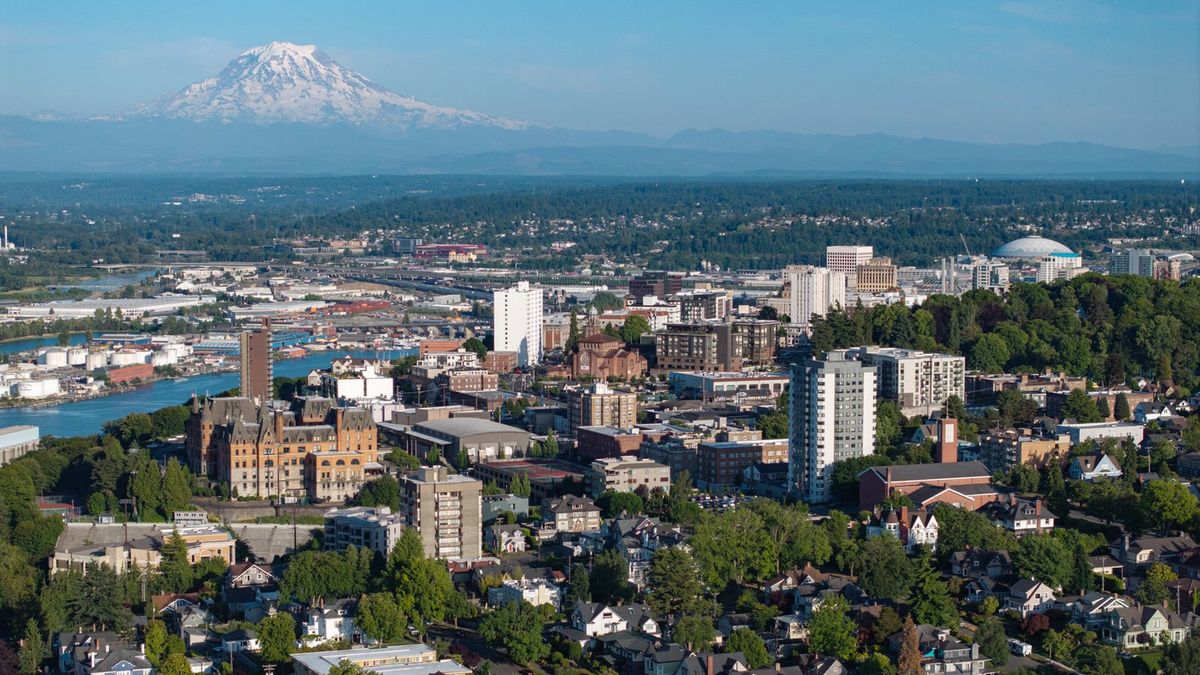
Smoke went everywhere. So will we.
Request saved
We've got your information and are on it. Keep your phone handy - we'll be in touch right away.
Or call (844) 543-5757 nowAfter a fire, soot is on every surface and odor is in every cavity of the house. A Washington-registered fire restoration crew secures the house tonight, identifies the residue tomorrow, and cleans, deodorizes and documents every room, billed to your insurer on covered claims.
On covered fire claims the restoration contractor bills your insurer directly. You pay your deductible, as your policy states.
Crews dispatched by proximity across King, Snohomish, Pierce and Kitsap. Board-up same night, assessment next morning.
Smoke damage is documented and cleaned house-wide, including closets, cavities, attic and ducts, not just the room that burned.
Your deductible applies to your claim as your policy requires; no contractor in Washington may waive it. Fire and smoke from a hostile fire are covered perils on nearly every homeowners policy. See the insurance guides.
What helps and what hurts in the first day
Most of the avoidable damage after a fire happens in the first 24 hours, from well-meaning cleanup. Here is what to do and what to leave alone.
✓ Do this
- Confirm with the fire department that gas and power are off and which areas are unsafe
- Call your insurer and ask about an additional living expenses advance for tonight
- Retrieve medications, documents, phones, glasses and pet supplies first, if the house is released
- Photograph every room, the exterior and the roof from the ground
- Keep the HVAC filter; it is evidence of how far the smoke traveled
- Write down what you remember about the fire while it is fresh: where it started, what burned, who was there
✕ Do not do this
- Do not run the furnace, heat pump, bathroom fans or any fan
- Do not wipe or wash soot; it smears and sets, and wet soot stains permanently
- Do not plug in or switch on electronics that were in the smoke
- Do not use food, cosmetics or medications that were exposed to heat or smoke
- Do not throw anything away or start a dumpster before items are photographed and listed
- Do not sign a contract from anyone who arrived at the fire uninvited
Eight kinds of fire and smoke damage, each cleaned its own way
What burned decides what is on your walls and how it comes off. The crew identifies the residue first, then cleans by the method the standard requires, because the wrong method sets stains and smell for good.
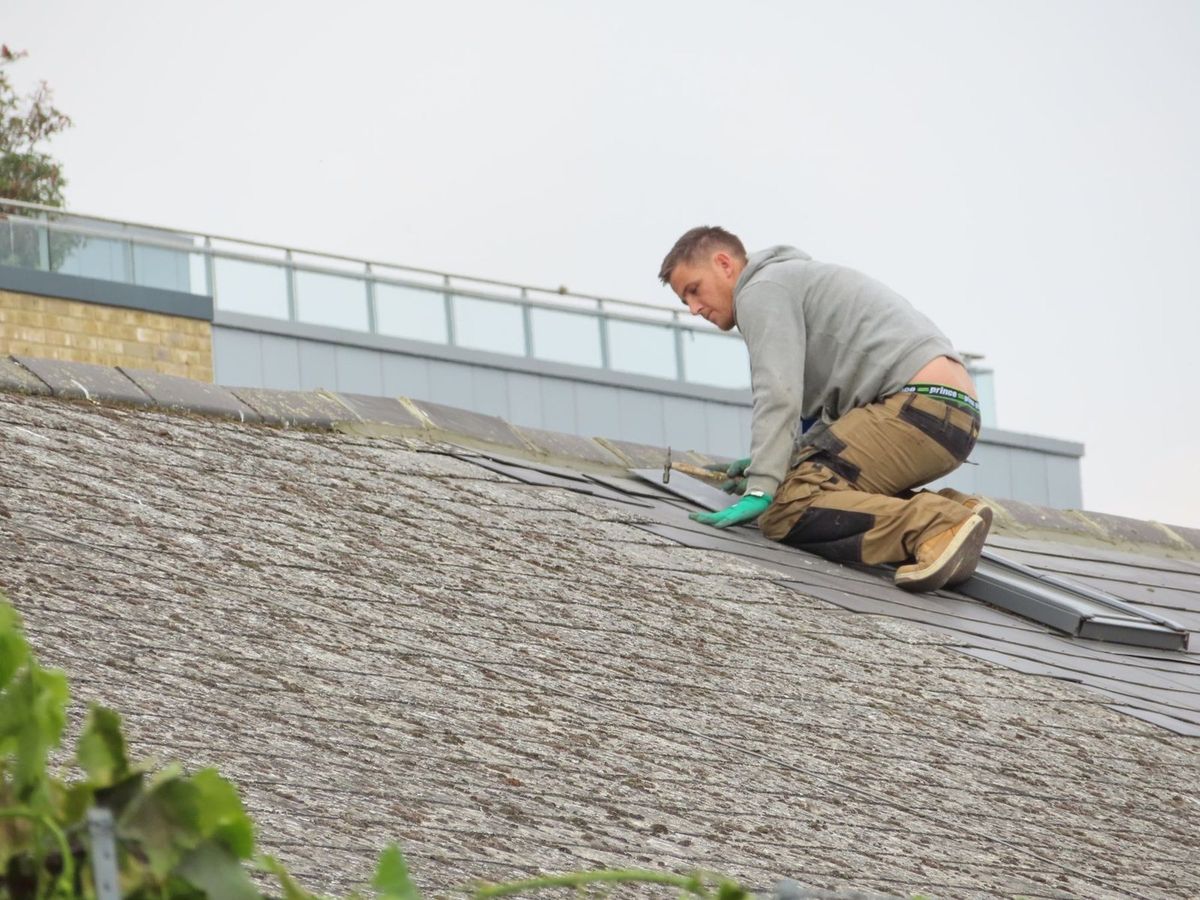
Board-up & securing
Openings boarded, roof tarped, property fenced the same night anywhere in the four counties.
Learn more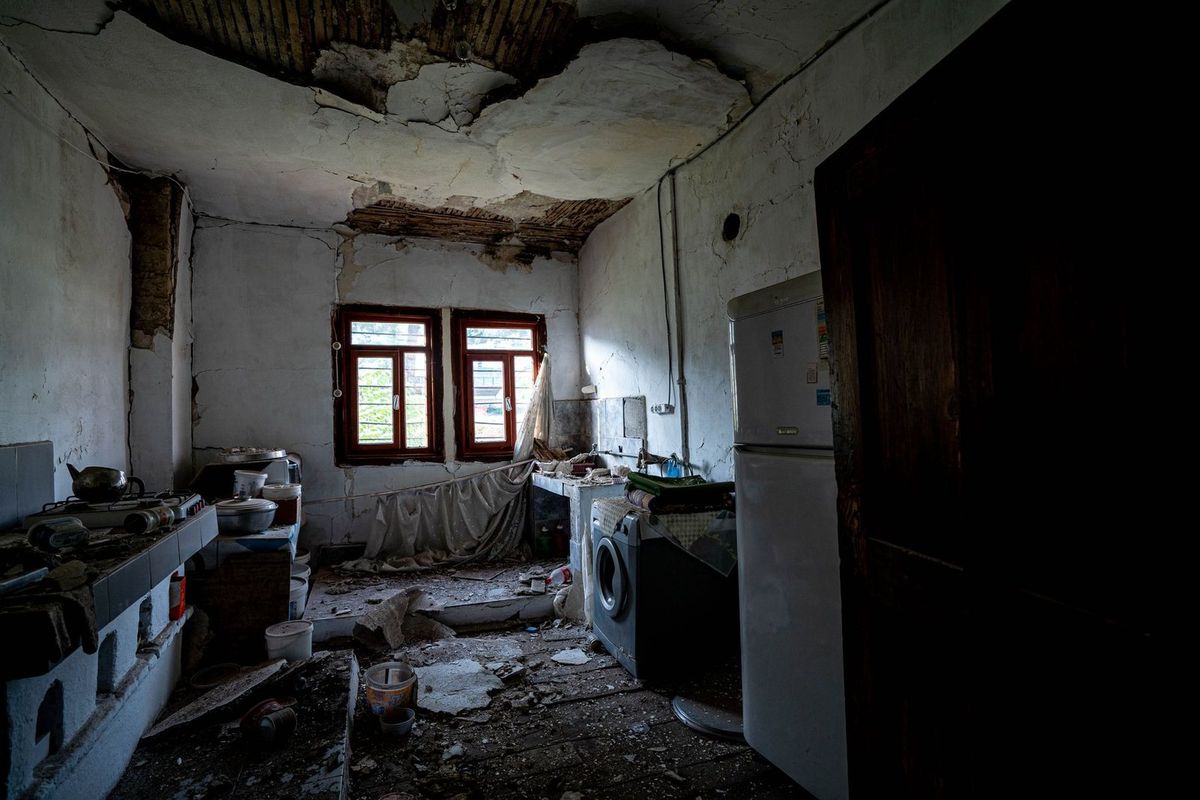
Smoke & soot cleanup
Residue identified, then dry cleaning, wet cleaning, duct cleaning and sealing in the order the standard requires.
Learn more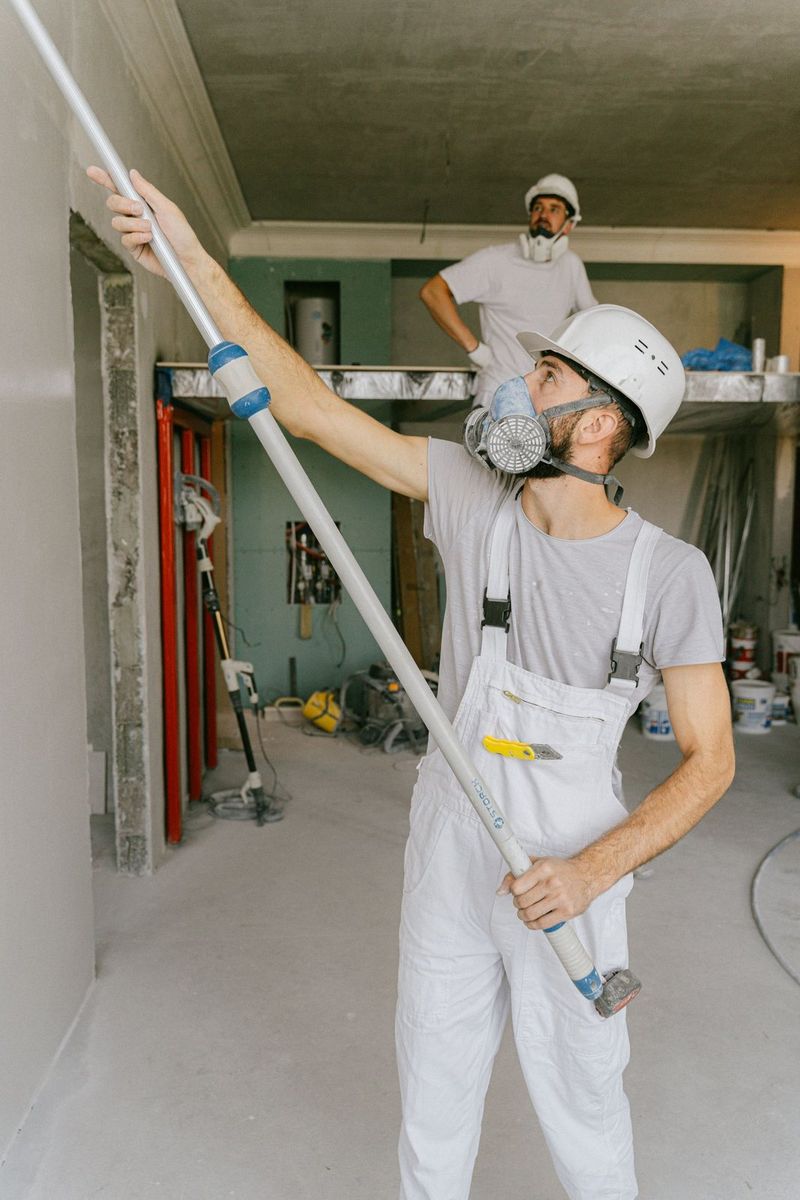
Odor removal
Source removal, duct cleaning, fogging, hydroxyl and sealing in the order that actually removes smoke odor.
Learn more
Contents & textile restoration
Belongings inventoried, packed out, cleaned at a contents facility and stored; textiles processed with ozone and specialty laundering.
Learn more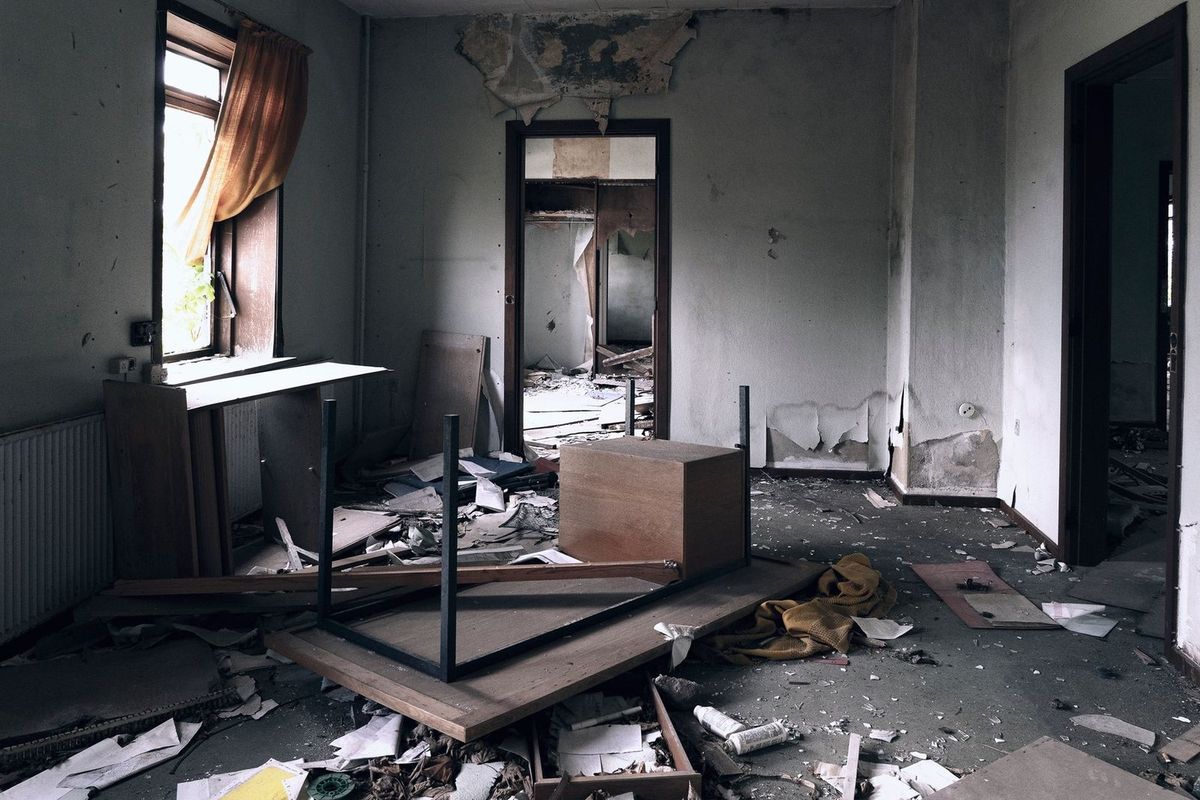
Electronics & document recovery
Soot-exposed electronics stabilized and evaluated before power; documents, photos and books treated before the acid sets.
Learn more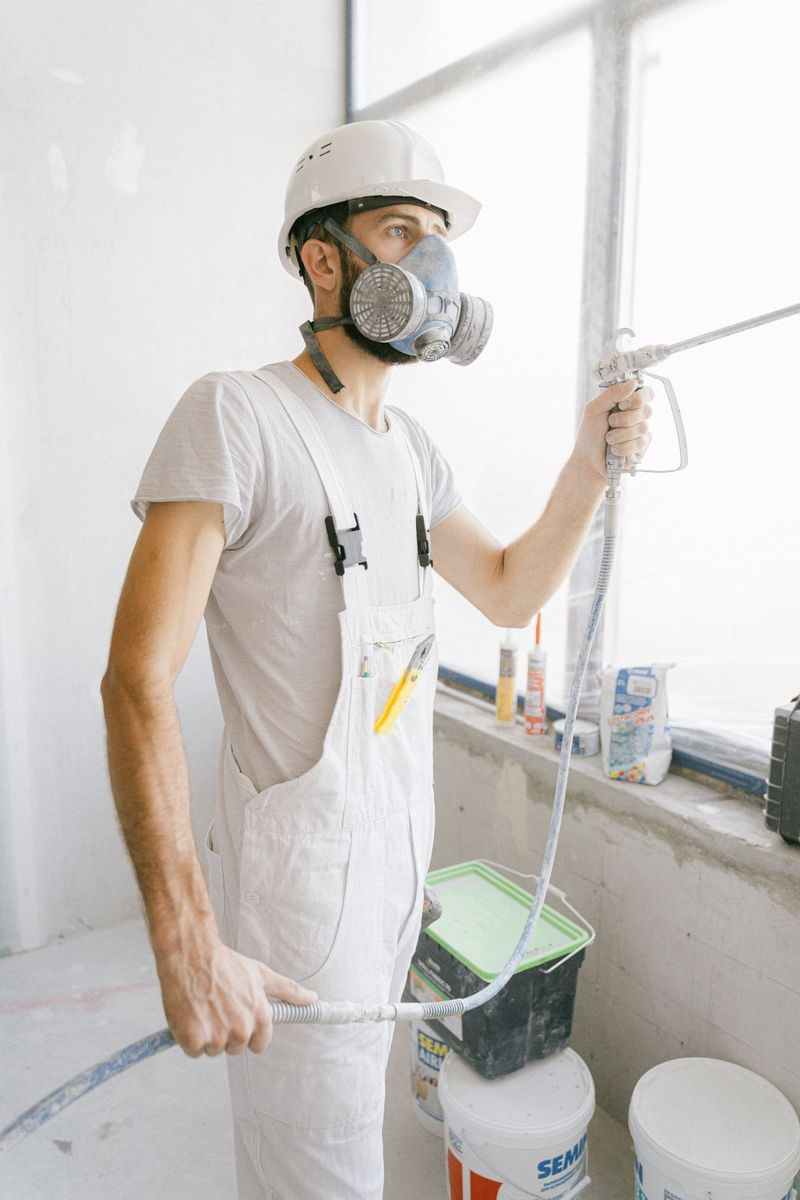
Puff-back & furnace soot
Oily furnace soot through the ducts and across every surface, cleaned with the degreasers and duct work it requires.
Learn more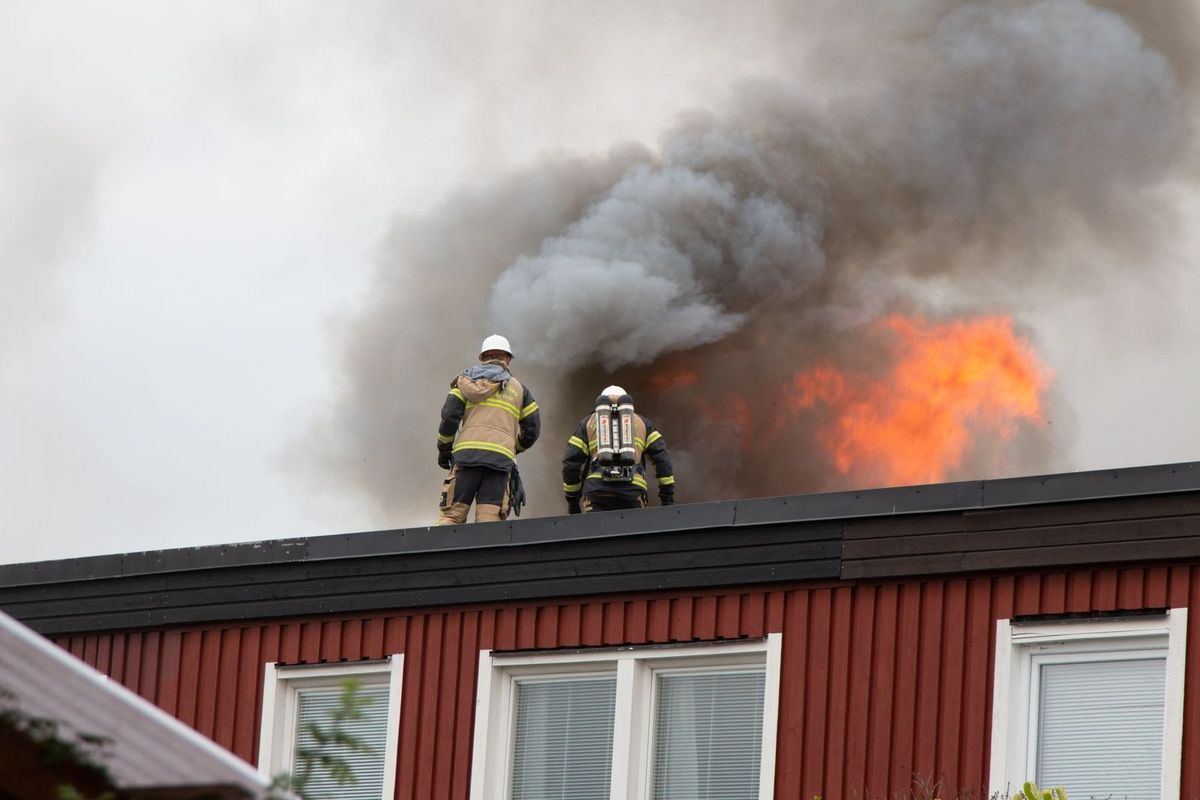
Wildfire smoke cleanup
Ash and particulate from Puget Sound smoke events cleaned from ducts, surfaces and textiles, with odor treated and the claim documented.
Learn more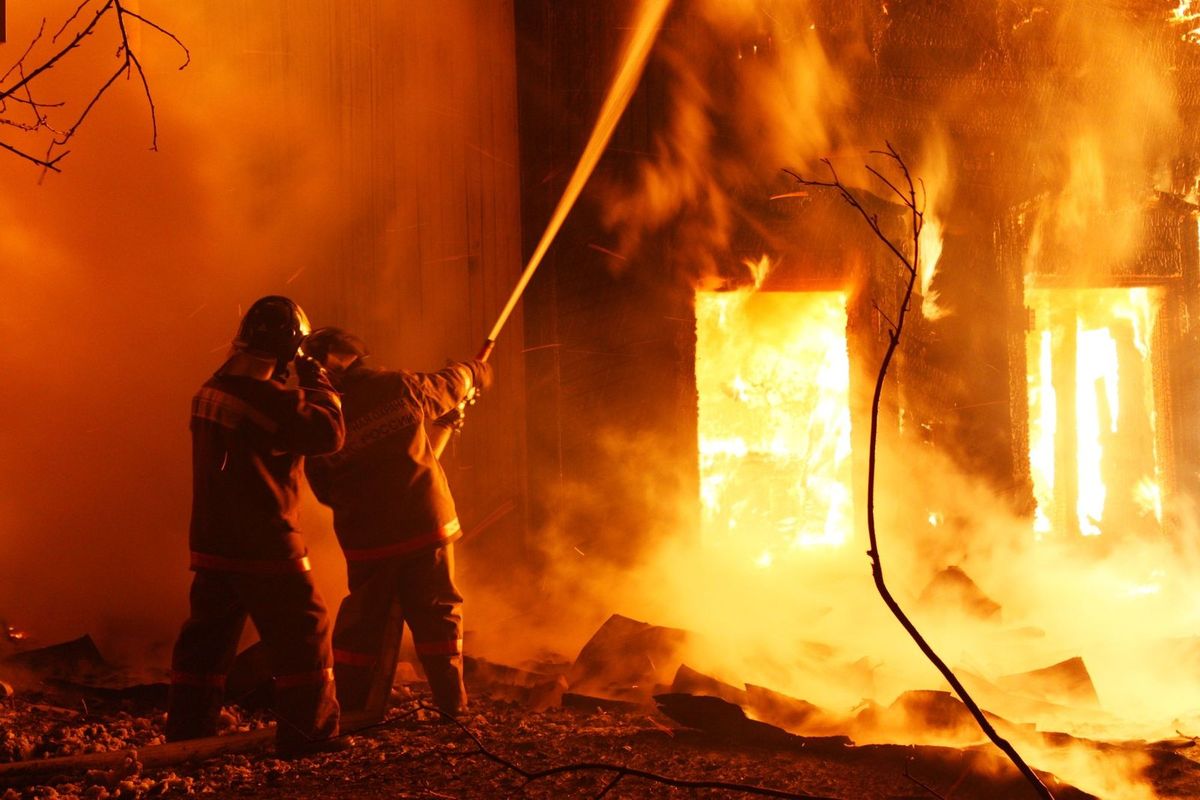
Drying after firefighting
The water the fire department left behind, extracted and dried before soot sets and framing molds.
Learn moreNot sure what you're dealing with?
Describe it to a dispatcher. They'll tell you what to shut off, what to photograph and whether a crew should roll tonight.
Call (844) 543-5757What fire and smoke work looks like
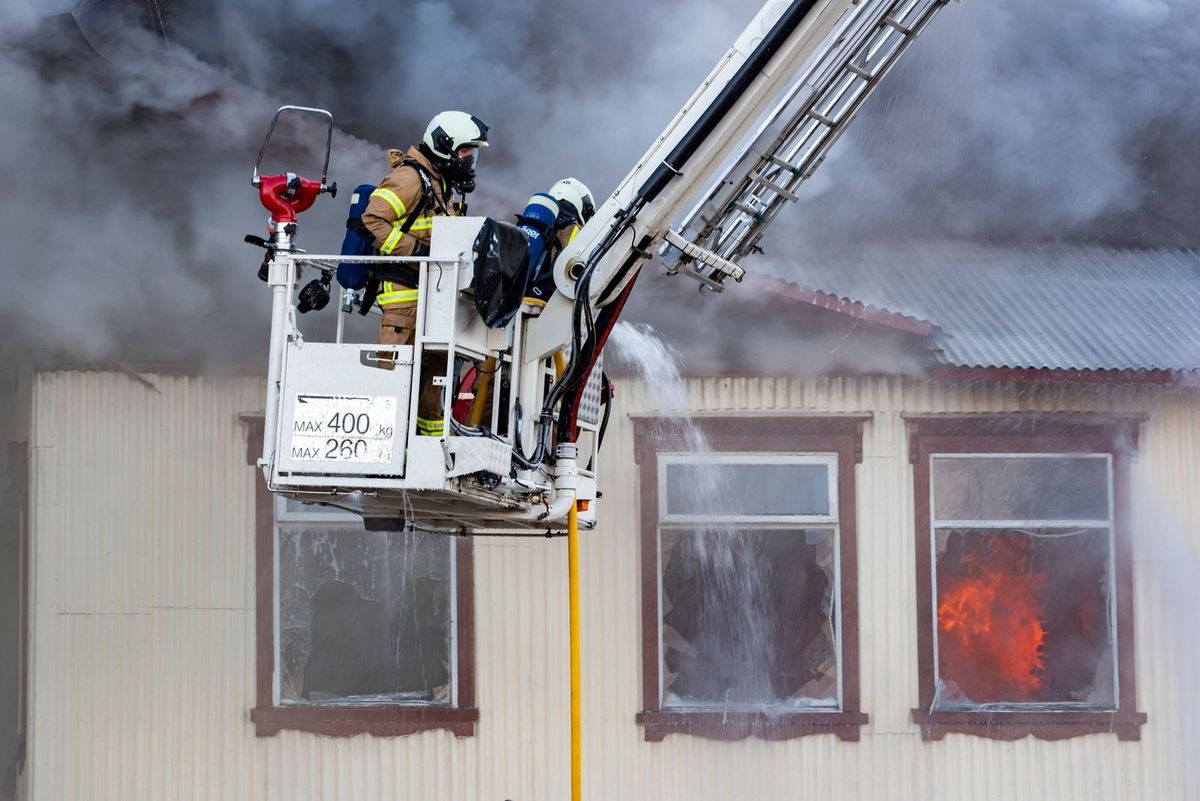
Board-up, soot removal, odor treatment and the rebuild. The first 72 hours decide how much of the house can be saved.

Secured, mapped, and already being cleaned
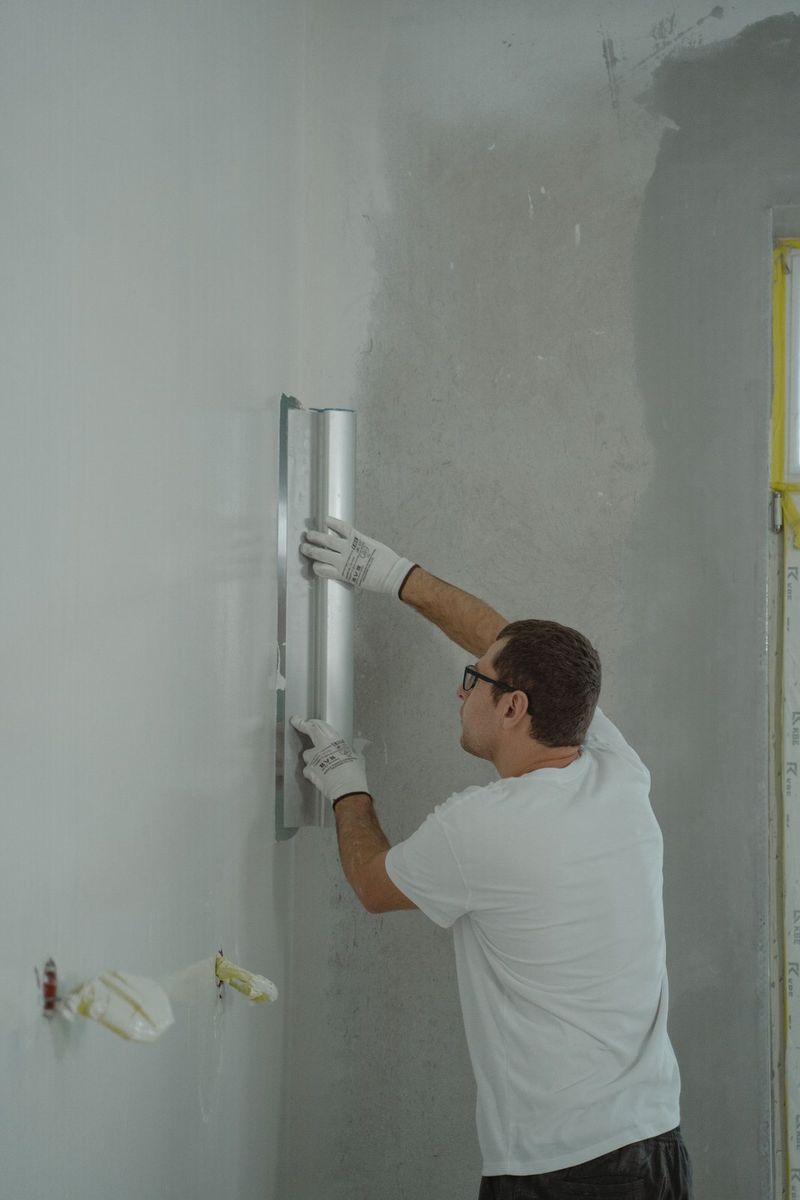
By the second morning the house is boarded and tarped, the soot line is mapped room by room, the air scrubbers are running and the contents inventory has started. That picture is what your adjuster sees first.
- Roof tarped and openings boarded the night of the fire
- Smoke residue identified and the soot line mapped before anything is cleaned
- HEPA air scrubbers running, HVAC sealed off
- Contents photographed, tagged and inventoried before pack-out
Four kinds of smoke, four different cleanups
Restoration follows the IICRC S700 standard, which starts with identifying what the fire left behind.
Wet smoke
Sticky, pungent, smears if wiped. Degreasers and often removal of porous materials.
Smoldering plastics, foam, rubberDry smoke
Powdery residue that lifts with dry sponges and HEPA vacuuming before wet cleaning.
Fast, hot wood and paper firesProtein residue
Nearly invisible film, strong lasting odor, discolors finishes. Degreasing on every surface.
Kitchen fires and burnt foodFuel oil soot
Oily black soot through the ducts and across every horizontal surface. Duct cleaning is mandatory.
Furnace puff-backs, stoves, fireplacesFrom the first call to a house that smells like a house
Secure
Board-up, tarping and fencing the same night.
Night oneAssess
Residue identified, soot line mapped, water from firefighting metered, inventory started, scope drafted.
Day oneDry
Suppression water extracted and the structure dried, so soot does not set and framing does not mold.
Days one to fiveClean
Dry cleaning, wet cleaning and degreasing by residue type, ducts cleaned, removals listed.
Days to weeksDeodorize and seal
Fogging, hydroxyl, sealing; verified by smell with the house closed up.
Final phaseContents back
Cleaned belongings returned once the structure passes; losses on the claim.
When the house is readyA fire restoration crew, not a call center
Dispatch routes the closest available Washington-registered fire restoration crew. They secure the house, stop the damage from spreading and document all of it for your insurer.
- Washington-registered restoration contractor
- Board-up and tarping the same day
- Soot, smoke and odor treatment room by room
- $0 upfront on covered claims; insurer billed directly
Structure, contents and living expenses: three files, built from day one
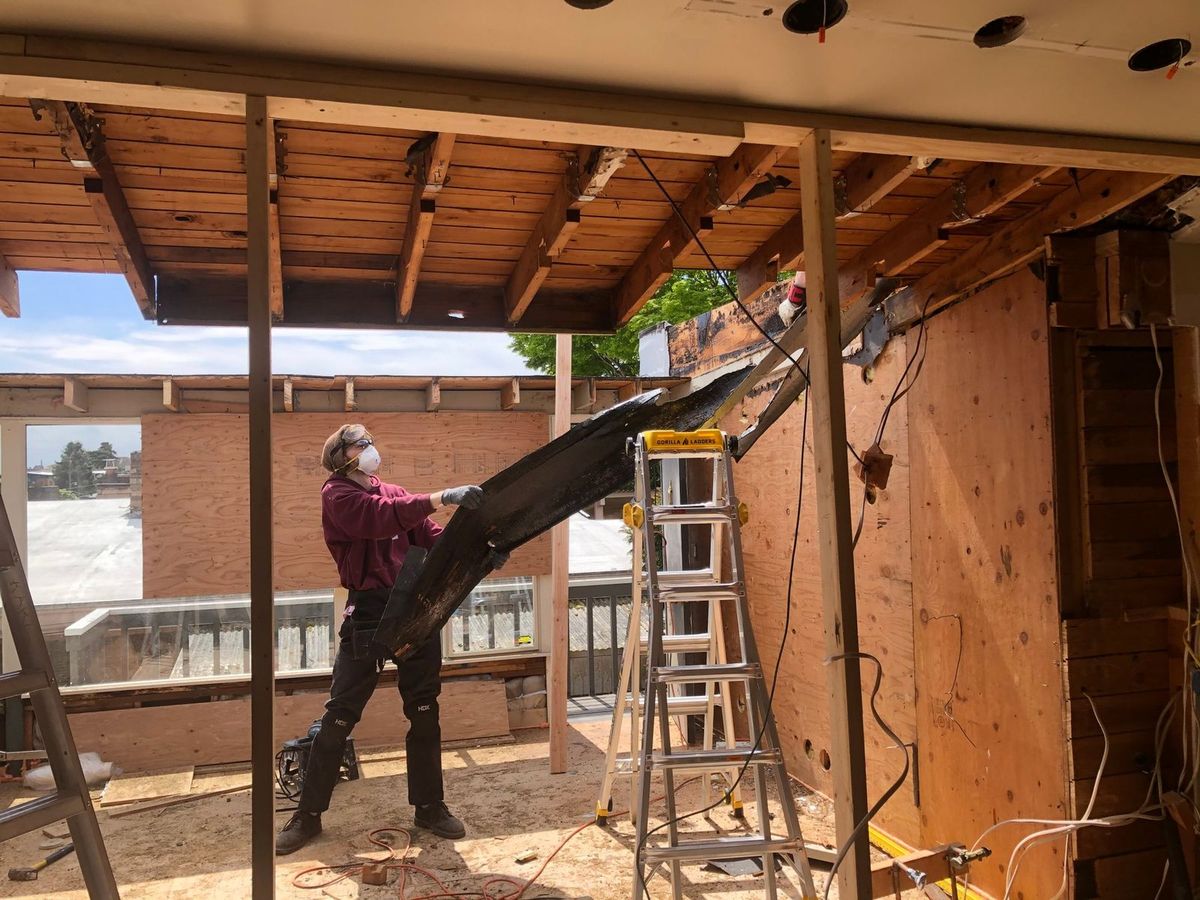
Fire claims are paid on documentation across three separate coverages. The crew builds all three from the first visit.
- Room-by-room photographs and an Xactimate estimate for the structure
- A photographed inventory of what is cleaned and what is a loss for the contents claim
- Guidance on receipts and advances for additional living expenses
- Direct billing to your insurer on covered mitigation and cleanup
- Honest guidance on replacement cost, actual cash value and depreciation
King, Snohomish, Pierce and Kitsap
Crews are dispatched by proximity. Board-up is same-night anywhere in the four counties; cleanup crews are scheduled the next morning, with honest windows for the islands and the far ends.
Experience on your side of the table
A dispatcher who knows night one
What to ask the fire department, what to tell your insurer, what to retrieve, what not to touch.
A registered, insured contractor
Independent, Washington-registered, named to you with their L&I number before anyone arrives.
Documentation adjusters can approve
Photos, moisture maps, inventories and estimates in the format carriers work in.
Odor that actually leaves
Source removal, cleaning, duct work, treatment and sealing in the right order, verified before you move back in.
Request a callback
Tell us what happened and where. A dispatcher calls you back, usually within minutes.
Call Me Right NowQuestions families ask after a fire
Is it really $0 upfront?
On covered claims, yes. The restoration contractor bills your insurer directly for mitigation and cleanup without a deposit from you. Your deductible applies as your policy states, and Washington law forbids any contractor from waiving or absorbing it.
The fire was next door, or across the mountains. Is smoke damage still covered?
Smoke from a hostile fire is a covered peril on standard policies, so a neighbor's fire is covered under your own policy, subject to your deductible, and your carrier may pursue the neighbor's. Wildfire smoke infiltration has been paid by many Washington carriers where there are soot and ash deposits; odor alone is less settled. Document deposits and the HVAC filter and file promptly.
How long before we can move back in?
A small kitchen fire, days. A room fire with smoke through the house, a few weeks of cleaning and deodorizing. A structure fire with a rebuild, months. Your additional living expenses coverage pays for a hotel or rental in the meantime; keep every receipt.
What can be saved?
Hard furniture, dishes, most textiles, framed art, many electronics and most of the structure outside the burn area when work starts within days. Soot etches and corrodes quickly; the first week decides a great deal.
Who actually shows up?
An independent, Washington-registered fire restoration contractor serving your county. Puget Sound Fire Damage is a service of Help Me Now Inc; we answer the phone, dispatch and coordinate. You receive the contractor's name and L&I registration number before they arrive.
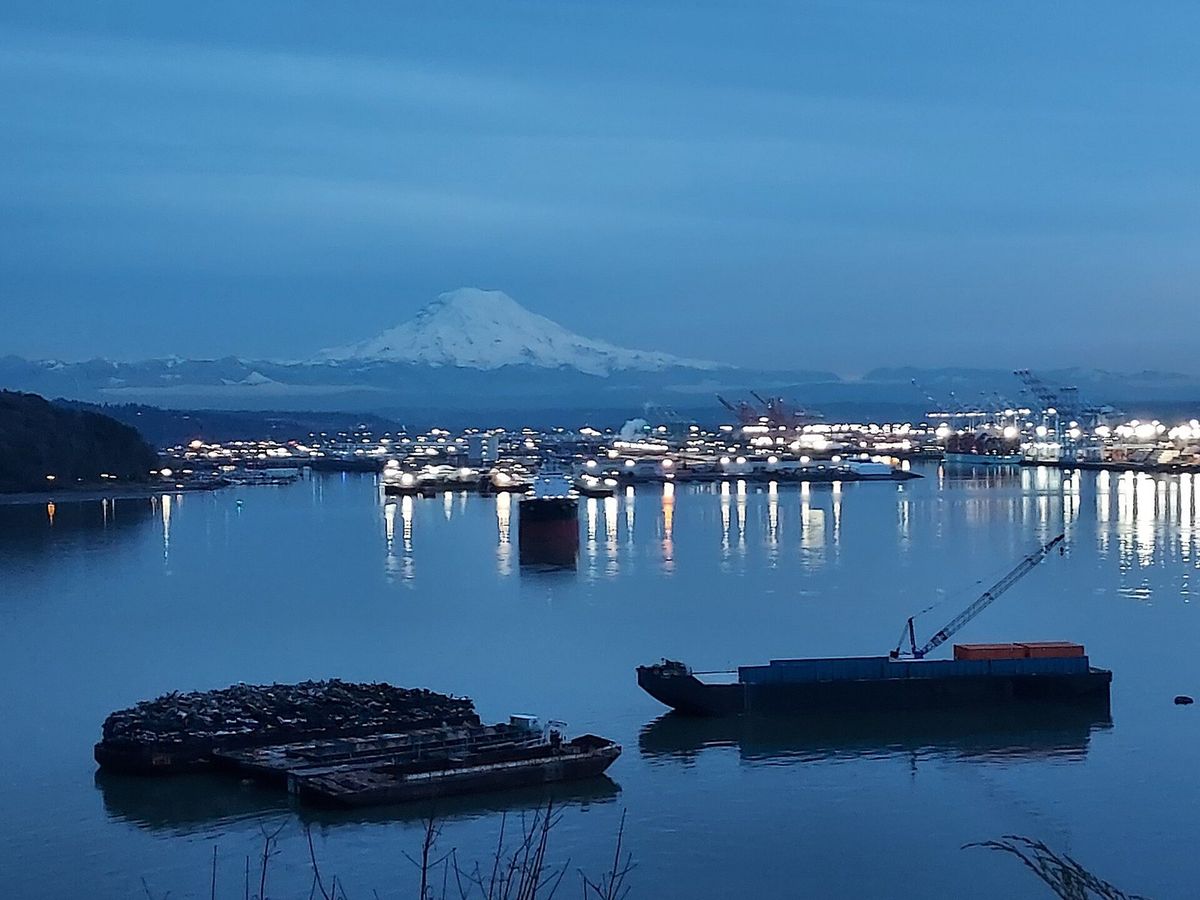
Fire or smoke damage? One call.
Open 24 hours. One call reaches a Washington-registered fire restoration contractor serving King, Snohomish, Pierce and Kitsap counties. $0 upfront on covered claims.